
CONTENT UNIT 1
UNIT 1.A.
READING: My First Day as an Early Childhood Educator
VOCABULARY:
- Common expressions used in nursery schools by educators (Project: Phrasebook and posters )
- The Alphabet (Project: Your alphabet name)
WARM-UP/ WELCOME SONG!
ACTIVITY: READING
My First Day as an Early Childhood Educator
It’s my first day as an early childhood educator.
I feel excited, but also a little nervous. The classroom looks bright and welcoming: there are name tags, crayons, and storybooks on the tables.
As the children arrive, I greet each one with a smile. Some children run in happily and start exploring the toys. Others hold their parents’ hands tightly and seem shy or worried. One child begins to cry because it’s hard to say goodbye.
I take a deep breath and remind myself to stay calm and warm. I kneel down to the child’s level and say gently, “It’s okay to feel sad. Your parent will come back soon. Let’s draw together while we wait.” Slowly, the child begins to calm down.
When everyone is inside, I know it’s time to bring the group together. The room is full of energy—some children are talking loudly, others are playing with blocks or walking around. I clap my hands softly and say, “One, two, three, eyes on me!”
A few children look up. I smile and continue, “Let’s sit on the carpet together for our morning song.”
Some children come right away, while others need a bit more guidance. I walk gently around the room, encouraging them: “Come and sit in a circle so we can all see each other.” I show them where to sit, patting the floor with my hand, and praise the ones who are ready: “Well done, thank you for sitting nicely.”
When everyone is seated—some cross-legged, some still fidgeting—I take a deep breath and I say, “Now we’re ready to sing our welcome song.”
I begin softly:
🎵 “Good morning, good morning, how are you today?” 🎵
At first, a few children join in; others just listen, their eyes curious. I add gentle actions with my hands and encourage them to move along. Slowly, more children begin to sing, clap, and smile. Even the shy ones start to hum the tune.
I make eye contact with each child and say, “Thank you for singing with me. That was beautiful!” The atmosphere feels calmer, warmer, and full of connection.
After the song, I introduce myself: “My name is Anna, A-N-N-A, How do you spell it?”
Some children can spell it easily; others need help. I praise every effort: “That’s a great try!” or “You remembered the first letter, well done!”
Then, we begin to learn our class routines—where to put our bags, how to wash our hands, and when to listen to the signal. Some children follow directions quickly; others forget or need reminders. I stay patient, using positive language: “Let’s try that again,” or “You remembered just what to do!”
By the end of the morning, I feel tired but proud. The children are beginning to feel comfortable, and I am starting to know them a little better. I realize that teaching young children is not about perfection: it’s about patience, presence, and trying your best every single day💕.
EXERCISES
-
The teacher feels completely confident and relaxed before the children arrive.
-
Some of the children are eager to explore, while others hesitate to enter the classroom.
-
The teacher ignores the child who cries and focuses on setting up the classroom.
-
The teacher gathers the children together by shouting loudly across the room.
-
During the song, all the children immediately sing and move together.
-
The teacher uses hand gestures and eye contact to motivate participation.
-
After singing, the children learn about where to keep their personal items and how to follow routines.
-
The teacher becomes frustrated and gives up when some children don’t listen.
-
By the end of the morning, the teacher feels discouraged and unsure about continuing.
-
The story shows that being a good early childhood educator means being perfect, even when things don’t go perfectly.
| Situation | Expression | |||
|---|---|---|---|---|
| 1.A child is crying | A. “Can you share with your friend, please?” | |||
| 2. Snack time | B. “Let’s wash our hands before we eat.” | |||
3. Clean-up time
| C. “Let’s tidy up together!”
| |||
| 6. Greeting children | E. “Good morning! How are you today?” | |||
| F. “Let’s sit in a circle and listen carefully.” | ||||
| "Yummy in your tummy" |
|---|
| Clean-up time |
|---|
| Morning greeting |
|---|
| Hygiene routine |
|---|
| Nap time |
|---|
| Snack time |
|---|
| ||||||||||||||||||||||||||||||||||||||||||||||||||||||||||||||||||||||||
| 6. Listen to these songs, they can be used as you perform the routine, can you say when to use them?: |
More videos:
https://youtube.com/shorts/2WGo_FXhlJs?si=-WFL8OovP_X8JgFx
Vocabulary: Common expressions use in Nursery schools by educators
7.Create a personal “Nursery English Phrasebook.”


7.1. Follow the link below and read the vocabulary /clica en el siguiente enlace y lee el vocabulario:
🧸🧩 Common Expressions Used in Nursery Schools by Educators 🧸
7.2. Make a list of the expressions which you are going to use for the different sections (at least three expressions). / Escoge las que vas a utilizar en tu guarde,


.jpg)
e.g.


VOCABULARY: The alphabet

(ZED)
ALPHABET SONG/ABCs SONG
INTERESTING MATERIAL:
1. Starfalls:

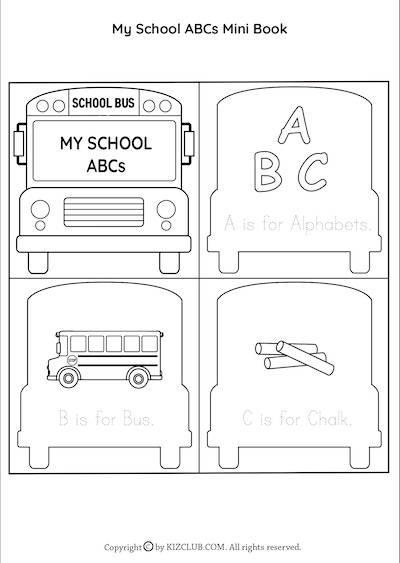
ACTIVITY 8. Your Alphabet Name. Create posters with the letters of your name. Use images or drawings to represent the sound of the letter:
e.g


You can use if you want only one drawing:
